A visible varicose vein does not reveal which vein is causing the problem, so treatment starts with duplex ultrasound rather than appearance alone. You will learn how VenaSeal closes a refluxing superficial vein, who is suitable, how it compares with laser, radiofrequency and foam treatments, and what results and follow-up to expect.
Key takeaways
- VenaSeal closes a refluxing superficial vein with medical-grade cyanoacrylate adhesive.
- Duplex ultrasound confirms reflux, maps the vein, and guides catheter placement.
- Compare VenaSeal with laser, radiofrequency ablation, and foam sclerotherapy before choosing.
- Follow-up checks confirm closure and identify residual veins needing separate treatment.
What VenaSeal Treats—and What It Actually Does
VenaSeal is designed to treat venous reflux in an incompetent superficial truncal vein—the faulty vein that lets blood fall backward instead of moving toward the heart. It is a nonthermal endovenous ablation procedure that uses a catheter to deliver a medical adhesive, specifically a medical-grade cyanoacrylate adhesive, inside that vein.
The adhesive bonds the vein walls together, and the body gradually converts the sealed segment into scar tissue. Blood is not trapped there. It reroutes through nearby deep and superficial veins with functioning valves, reducing the backward pressure that causes pooling, leg heaviness, aching, swelling and some varicose veins.
Closing one vein does not remove every visible vein. VenaSeal targets the underlying refluxing vessel, such as a major saphenous vein or a selected accessory vein, rather than tiny spider veins and reticular veins at the skin surface. Those smaller veins need surface-directed treatments such as sclerotherapy or vascular laser when treatment is appropriate.
A successful closure can improve venous pressure and symptoms while leaving surface veins visible for a period of time—or requiring separate treatment.
How Duplex Ultrasound and the Procedure Guide Treatment
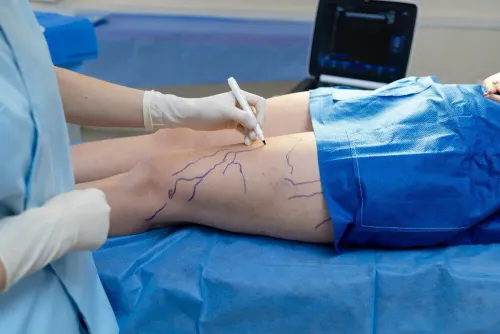
Duplex ultrasound determines whether the visible veins are the source of your symptoms. It maps venous reflux, identifies the faulty junction and vein, measures its route and diameter, and checks deep-vein flow for obstruction or acute thrombosis. A varicose vein alone does not establish that VenaSeal is appropriate.
1. You lie down or stand while the clinician scans the leg. The study traces the great saphenous vein, small saphenous vein, or a selected accessory vein and records where backward flow begins and how far it extends.
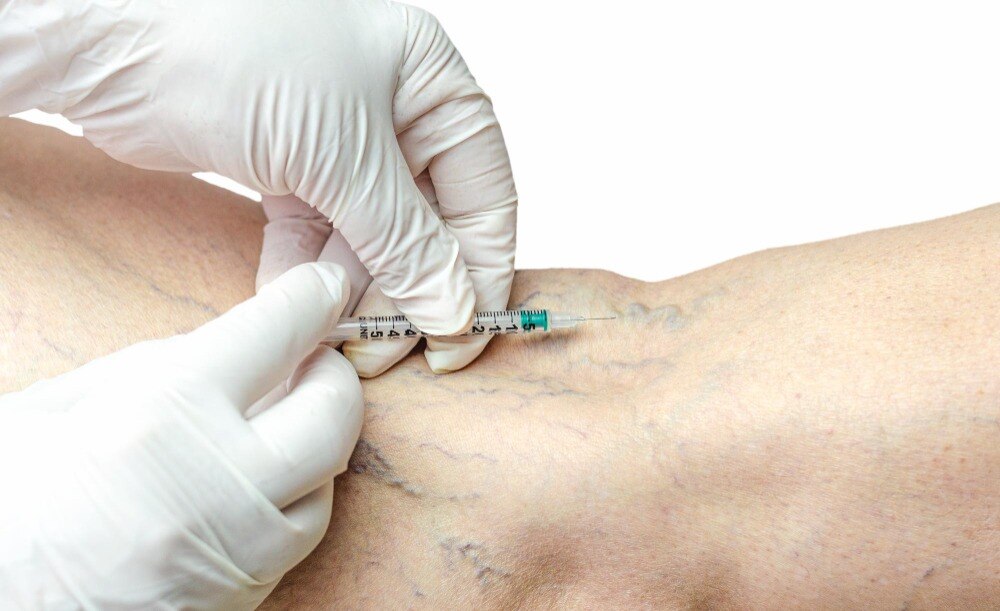
2. After skin cleaning, the clinician numbs the access site with local anaesthetic. A needle enters the target vein under ultrasound guidance, and a guidewire followed by the VenaSeal catheter is advanced to a planned position near, but not inside, the deep-vein junction.
3. The catheter tip is confirmed by ultrasound. The clinician delivers small, controlled amounts of medical-grade cyanoacrylate adhesive while applying external pressure, which brings the vein walls together and limits adhesive spread.
4. The catheter is withdrawn in stages as further adhesive is delivered along the refluxing segment. The treated vein is then rescanned to confirm that it has closed and that flow has rerouted through open veins.
The scan also provides a baseline for follow-up. New pain, swelling or breathlessness after treatment requires prompt medical assessment because thrombus extension toward the deep junction, deep-vein thrombosis and pulmonary embolism are recognised complications.
Who Is a Suitable Candidate for VenaSeal?
Duplex ultrasound must show that symptoms or skin changes match symptomatic superficial venous reflux. Supportive findings include an incompetent vein, documented backward flow in the great saphenous, small saphenous or selected accessory vein, identifiable junctions, and no acute DVT or deep-vein obstruction. A visible varicose vein alone does not establish suitability.
RADIANCE CLINIC can use the scan to distinguish a treatable reflux source from surface veins that need a different treatment.
Ask the treating specialist to check for:
- Cyanoacrylate allergy or sensitivity, active infection at the puncture site, acute superficial thrombophlebitis, or existing venous thrombotic disease.
- Peripheral arterial disease, especially when pain occurs with walking, foot pulses are weak, or an ankle-brachial index is abnormal; arterial disease can explain symptoms and alter compression or intervention decisions.
- A vein that is too tortuous, inaccessible, severely scarred, or positioned too close to the skin or a nerve for safe catheter passage.
- Deep venous obstruction, because closing a superficial outflow route can be inappropriate when deep drainage is compromised.
| Finding | What it supports | When another approach is safer |
|---|---|---|
| Reflux in a mapped truncal vein | VenaSeal assessment | — |
| Spider veins or small reticular veins without truncal reflux | Surface treatment such as sclerotherapy or vascular laser | VenaSeal does not target these vessels |
| Acute DVT or deep obstruction | Specialist treatment first | Do not proceed with routine closure |
| PAD or non-venous leg pain | Arterial or alternative evaluation | Treat the actual cause before vein closure |
VenaSeal Compared With Laser, Radiofrequency and Foam Sclerotherapy
The choice depends on whether you need closure of a refluxing trunk vein or treatment of visible surface veins.
| Option | Anaesthesia and discomfort | Risks and recovery | Veins addressed |
|---|---|---|---|
| VenaSeal | Usually avoids tumescent anaesthesia; local anaesthetic may numb the access site. Needle entry, catheter passage and inflammation can still hurt. | No heat-related burn or nerve injury. Adhesive reaction, phlebitis and thrombus extension are possible. Walking is usually immediate, with limited downtime. | Refluxing great saphenous, small saphenous or selected accessory veins. |
| Endovenous laser ablation | Requires multiple injections of tumescent anaesthesia along the vein. Heat and needle placement cause pressure, bruising or soreness. | Burns, nerve irritation, bruising and phlebitis are recognised risks. Normal activity usually resumes quickly, but soreness can last several days. | Refluxing truncal and selected accessory veins. |
| Radiofrequency ablation | Also uses tumescent anaesthesia around the treated vein. Heat-related discomfort is usually modest but bruising can occur. | Nerve irritation, skin burns, thrombosis and phlebitis are possible. Recovery is generally rapid. | Refluxing truncal and selected accessory veins. |
| Foam sclerotherapy | Often needs no anaesthesia, though injections sting and several sessions may be required. | Bruising, pigmentation, inflammation and rare clot or visual symptoms can occur. Compression and a slower cosmetic response are common. | Tributary varicosities, reticular veins and selected truncal veins; surface spider veins need surface-directed treatment. |
VenaSeal is not a cosmetic injection for every visible vein. Residual tributaries may still need phlebectomy or foam sclerotherapy, even after the main refluxing vein closes.
Results, Residual Veins and Follow-Up After Closure
After closure, expect the treated vein to feel tender, tight or cord-like for several days. Local redness and swelling can reflect inflammation or superficial phlebitis, particularly along the adhesive-treated segment. Walking is encouraged, but report worsening pain, marked swelling, chest pain or breathlessness rather than attributing these symptoms to normal recovery.
Follow-up includes clinical review and duplex ultrasound according to the treating clinician’s protocol, especially if symptoms develop. The scan checks that the vein remains closed and looks for thrombus extension toward the deep-vein junction, known as glue-induced thrombosis. Deep-vein thrombosis and pulmonary embolism are uncommon but require urgent assessment.
Do not assume that the absence of heat-related injury makes surveillance unnecessary.
Compression stockings are a decision, not an automatic requirement. Your clinician may recommend them for swelling, discomfort, coexisting venous disease or personal recovery needs; another patient may stop them promptly after the procedure.
Visible veins can remain because VenaSeal closes the refluxing trunk, not every tributary. Once early inflammation has settled, residual varicose veins may be treated with ambulatory phlebectomy or sclerotherapy if they cause symptoms or remain cosmetically troubling. Later new veins or recurrent reflux represent a different outcome from immediate closure.
Delayed hypersensitivity can appear weeks or months later; rare foreign-body granuloma may require prolonged treatment and, rarely, adhesive removal.
Frequently asked questions
What does VenaSeal treat?
VenaSeal treats venous reflux in an incompetent superficial truncal vein by sealing it with medical-grade cyanoacrylate adhesive.
How does duplex ultrasound guide VenaSeal treatment?
Duplex ultrasound identifies reflux, maps the target vein, and guides the catheter and adhesive delivery during the procedure.
Who is a suitable candidate for VenaSeal?
A suitable candidate has symptomatic venous reflux in a treatable superficial truncal vein confirmed by duplex ultrasound and is assessed clinically for the procedure.
How does VenaSeal compare with laser, radiofrequency and foam sclerotherapy?
VenaSeal uses adhesive rather than heat or injected foam, so comparison involves treatment mechanism, catheter technique, risks, recovery and vein anatomy.
What happens after VenaSeal treatment?
Follow-up evaluates whether the treated vein remains closed and checks residual or additional veins that could require separate management.