PRP can mean different things depending on how the blood sample is processed, where it is injected and what condition is being treated. You will be able to judge whether it fits a skin or hair concern, compare it with other options and set realistic expectations for sessions, results and risks.
Key takeaways
- Expect a blood draw, centrifuge separation, and multiple small injections.
- Delay PRP during active skin infection, some blood disorders, or unsafe medication use.
- PRP may improve selected acne scars, texture, pigmentation, and early hair loss.
- Judge hair results after several months, not immediately after the first session.
What happens during a PRP treatment, and who should wait?
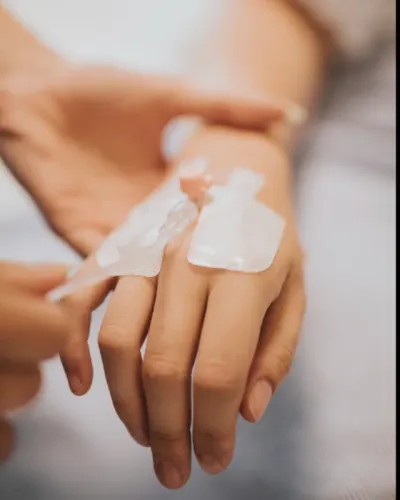
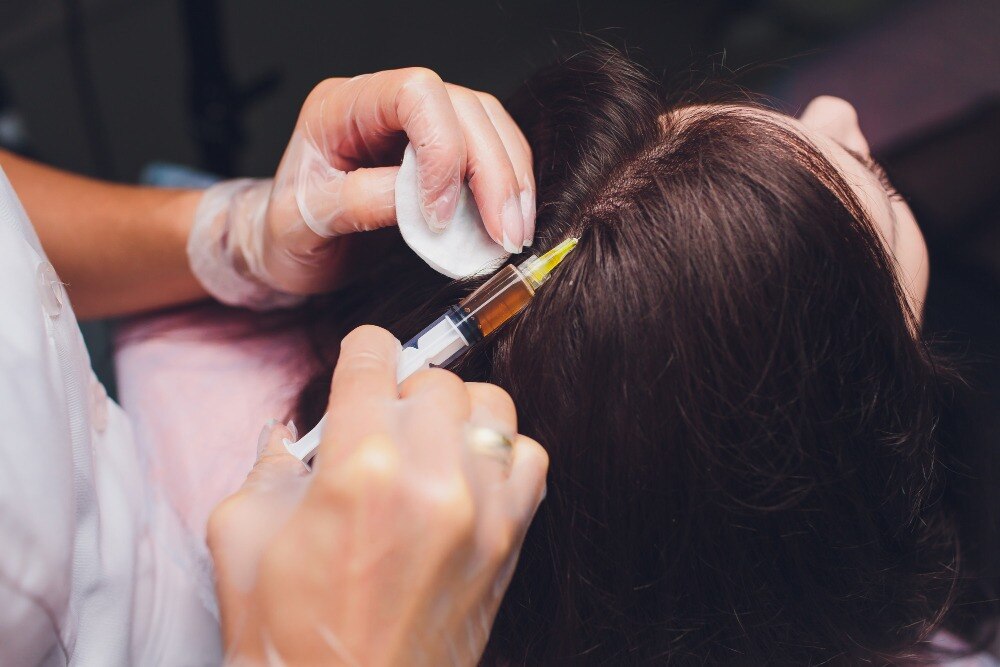
A PRP treatment begins with a blood draw, usually from your arm. The sample undergoes centrifuge PRP preparation, which separates plasma from red cells and concentrates platelets. The clinician then transfers the platelet-rich plasma into a syringe and injects it through multiple small needle punctures into the scalp or selected areas of facial skin.
Ask which blood volume, single- or double-spin method, platelet concentration, leukocyte content and activation method will be used; no universally accepted preparation exists.
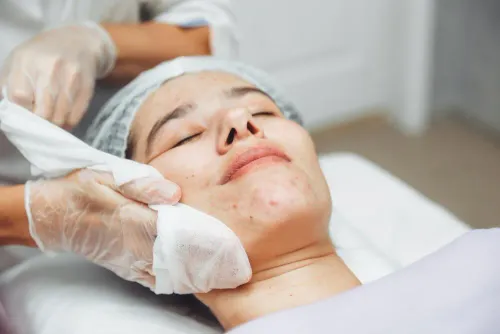
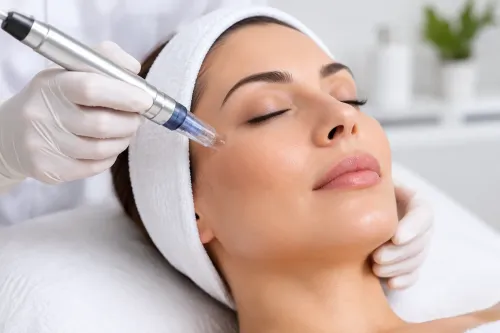
Pinpoint bleeding, redness, swelling, tenderness and bruising are common for several days. Scalp injections can also cause temporary headache or tightness. Injection depth and combining PRP with microneedling or laser influence recovery.
Wait for assessment or medical clearance when any of these factors apply:
| Factor | Why it matters | What to do |
|---|---|---|
| Active acne, skin infection or inflammation | Needling can worsen irritation or spread infection | Treat the site first |
| Low platelet count or platelet dysfunction | The preparation may contain too few functional platelets | Review a blood count and cause with your clinician |
| Severe anaemia or uncontrolled systemic illness | Blood removal and healing may be less suitable | Stabilise the condition before treatment |
| Anticoagulant or antiplatelet medicine | Bleeding risk and platelet activity can change | Never stop it without the prescriber’s advice |
| Unexplained hair shedding | PRP does not treat every cause of hair loss | Diagnose the cause before consenting |
A clinician should also review pregnancy, immune disorders and bleeding history before proceeding.
Which skin concerns can PRP improve?
PRP for skin is a reasonable target for mild texture and early ageing changes, not a replacement for surgery or resurfacing. The most realistic goals are modest improvement in fine lines, elasticity, overall texture and early photodamage. Results vary because studies use different platelet preparations, injection techniques and scoring systems.
| Concern | What PRP may improve | Evidence and limits |
|---|---|---|
| Fine lines | Subtle softening and smoother texture | Studies are small; results are not comparable to neuromodulators, fillers or a facelift |
| Early photodamage | Uneven texture and overall skin appearance | Evidence for correcting pigmentation remains limited |
| Atrophic acne-scar texture | Additional smoothing with microneedling or fractional laser | Some trials show added benefit, but PRP alone is not reliably effective |
| Deep or tethered scars | Little predictable change without scar-directed treatment | Outcome depends on scar depth, type, skin tone and the accompanying procedure |
| Loose skin | At most, modest improvement in elasticity | PRP does not substantially tighten lax skin |
The strongest practical use is as an adjunct to microneedling or fractional laser for selected atrophic scars, rather than as a stand-alone scar treatment. Ask what improvement can be measured in photographs and scar texture; promises of erased scars, major lifting or complete pigment correction go beyond the evidence.
When is PRP a reasonable choice for hair loss?
PRP for hair loss is a reasonable adjunct for androgenetic alopecia: gradual, diffuse thinning with miniaturised follicles in a patterned distribution. Meta-analyses report higher hair density or thickness than placebo, but studies are small, protocols differ, and results vary. PRP will not reliably restore follicles destroyed by scarring alopecia.
Sudden shedding, sharply defined patches, scalp redness, pain, scaling, or rapid progression needs a diagnosis first. Alopecia areata, telogen effluvium, thyroid disease, nutritional deficiency, and inflammatory or scarring disorders require different treatment. Trichoscopy or dermoscopy can distinguish miniaturisation from inflammation; selected patients need blood tests or biopsy.
| Option | Main role | Practical comparison |
|---|---|---|
| PRP | Injectable platelet concentrate | Possible add-on; gradual results, commonly assessed at 3–6 months |
| Minoxidil | Stimulates and maintains growth | Established first-line option; requires continuous use and can irritate the scalp |
| Finasteride | Reduces androgen-driven miniaturisation | Useful for appropriate patients; requires medical review and ongoing treatment |
| Transplantation | Moves resistant follicles | Produces permanent redistribution, but requires surgery and sufficient donor hair |
| Microneedling | Creates controlled skin injury | Less injectable; may support minoxidil or PRP, with bleeding and infection risks |
| Lasers | Delivers low-level light | Non-invasive option with variable evidence; requires repeated sessions |
| Mesotherapy | Injects mixtures into the scalp | Products and protocols vary, making results harder to compare |
PRP does not stop the underlying androgen effect, so minoxidil or finasteride may remain important. Ask which measurement will be used, when it will be checked, and what maintenance plan follows.
How many PRP sessions are needed, and when should you judge the result?
Most hair protocols use three PRP sessions spaced about three to four weeks apart. This is a common clinic pattern, not a universally validated regimen. Do not judge hair growth after a few days: studies usually assess change at three to six months because follicles and visible shafts respond slowly.
Ask for baseline measurements and repeat them under the same conditions:
- Hair density and average shaft thickness in a defined scalp area, supported by standardized photographs and shedding history.
- Skin texture, fine-line appearance and overall skin quality using photographs taken with identical lighting and camera distance.
- Acne-scar depth or severity, scored after the skin has healed from any combined microneedling or laser procedure.
PRP maintenance is individualized rather than automatic. Hair gains can fade because androgen-driven follicle miniaturization continues without separately controlling the underlying pattern hair loss. Facial improvements are not permanent either; ageing and ultraviolet exposure continue. Discuss a review date and the next step before starting, rather than booking repeated injections without a measurement.
Evidence limits the certainty of these plans. Hair studies report increased density or thickness against placebo, but samples are small and preparation methods differ. Facial studies report possible modest changes, while scar improvement is more consistently studied when PRP is added to microneedling or fractional laser—not as a reliably effective stand-alone treatment.
What should you check before choosing PRP?
Before consenting, confirm that the clinic has diagnosed the problem, assessed your health, and explained measurable follow-up. For hair loss, a dermatologist consultation should include scalp examination and trichoscopy, which can reveal miniaturisation, inflammation or scarring. Sudden, patchy, rapidly worsening or inflamed loss may require blood tests or biopsy before PRP.
Ask these questions:
- What diagnosis is being treated, and why is PRP suitable for it?
- What are the PRP risks for me, including bleeding, infection, pain, bruising and temporary shedding?
- Do my medicines or conditions affect eligibility? Never stop aspirin, anticoagulants or other prescribed medicines without the prescribing clinician’s advice.
- What is the PRP preparation protocol: blood volume, single or double centrifugation, platelet and leukocyte handling, red-cell contamination, activation method and injection volume?
- Who will inject it, what sterile equipment is used, and how will progress be photographed or measured?
If you are comparing providers such as RADIANCE CLINIC, use the same checklist rather than choosing on platelet-concentration claims alone.
| Check | Acceptable evidence | Warning sign |
|---|---|---|
| Diagnosis | Written diagnosis and examination findings | “Hair growth” promised without diagnosis |
| Preparation | Named protocol and explanation of variation | Guaranteed result from one platelet number |
| Safety | Medical history, medicines and contraindication review | No questions about infection or blood disorders |
| Follow-up | Defined review date and outcome measures | No plan beyond repeated sessions |
Active infection, severe anaemia, low platelets or scarring alopecia requires medical clarification before treatment. A clinic that cannot explain these points has not given you enough information to consent.
Frequently asked questions
What happens during a PRP treatment, and who should wait?
A clinician draws blood, separates platelet-rich plasma in a centrifuge, and injects it into the scalp or facial skin. Wait if you have an active infection or a medical condition that makes blood drawing or injections unsafe; disclose every medication and health condition first.
Which skin concerns can PRP improve?
PRP may support improvement in selected acne scars, uneven texture, fine lines, and some pigmentation concerns. Results depend on the diagnosis, scar type, skin condition, and whether PRP is combined with another treatment.
When is PRP a reasonable choice for hair loss?
PRP is most reasonable after a clinician identifies the cause of hair loss and confirms that injection-based treatment fits your condition. It is not a substitute for diagnosing thyroid disease, nutritional deficiency, scarring alopecia, or other causes.
How many PRP sessions are needed, and when should you judge the result?
The number of sessions depends on the treated concern, baseline findings, and response. Assess hair density over several months and compare consistent photographs rather than judging the result immediately after one session.
What should you check before choosing PRP?
Ask who performs the procedure, how the sample is processed, which condition is being treated, what alternatives exist, and how outcomes will be measured. Confirm the clinic explains risks, aftercare, total appointments, and follow-up.