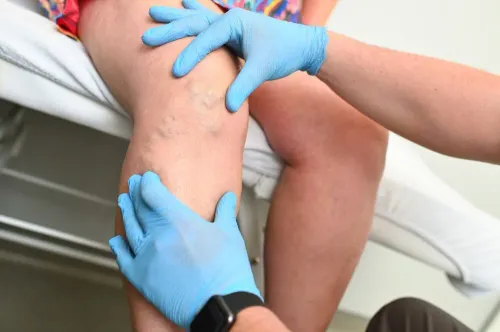
When blood flow to the lower leg and foot becomes restricted, even a small wound can become difficult to heal. This is particularly common among diabetic patients and individuals with advanced peripheral arterial disease. Tibial Angioplasty is a specialized vascular procedure designed to treat blockages in the tibial arteries located below the knee.
Poor circulation in these smaller arteries can lead to symptoms such as persistent foot pain, non-healing ulcers, discoloration of the toes, and increased risk of infection. Without proper treatment, severe circulation problems may affect mobility and overall limb health.
At Radiance Clinic in Thane, Dr. Ashish Sarode, a board-certified vascular and interventional radiologist, performs minimally invasive vascular procedures aimed at restoring blood flow to affected areas. Tibial Angioplasty uses advanced catheter-based techniques to open narrowed or blocked arteries and improve circulation to the foot and lower leg.
This procedure has become increasingly important in diabetic foot management because adequate blood flow is essential for wound healing. Restoring circulation can support tissue recovery, reduce pain, and improve the effectiveness of other medical treatments.
Patients often appreciate the minimally invasive nature of Tibial Angioplasty. The procedure typically involves smaller access points, less discomfort, and a shorter recovery period compared to traditional vascular surgery.
For individuals experiencing circulation-related foot problems, timely intervention can make a significant difference. Early treatment often improves outcomes and helps reduce the risk of more serious complications.
If you have diabetes, a non-healing foot wound, or symptoms of poor circulation in the lower limbs, schedule a consultation with Dr. Ashish Sarode at Radiance Clinic, Thane, to discuss whether Tibial Angioplasty may help improve your vascular health.